Coral Keepers
Case Study
Context
More than 90% of coral reefs are expected to die by 2050. Coral Keepers is our attempt to change that.
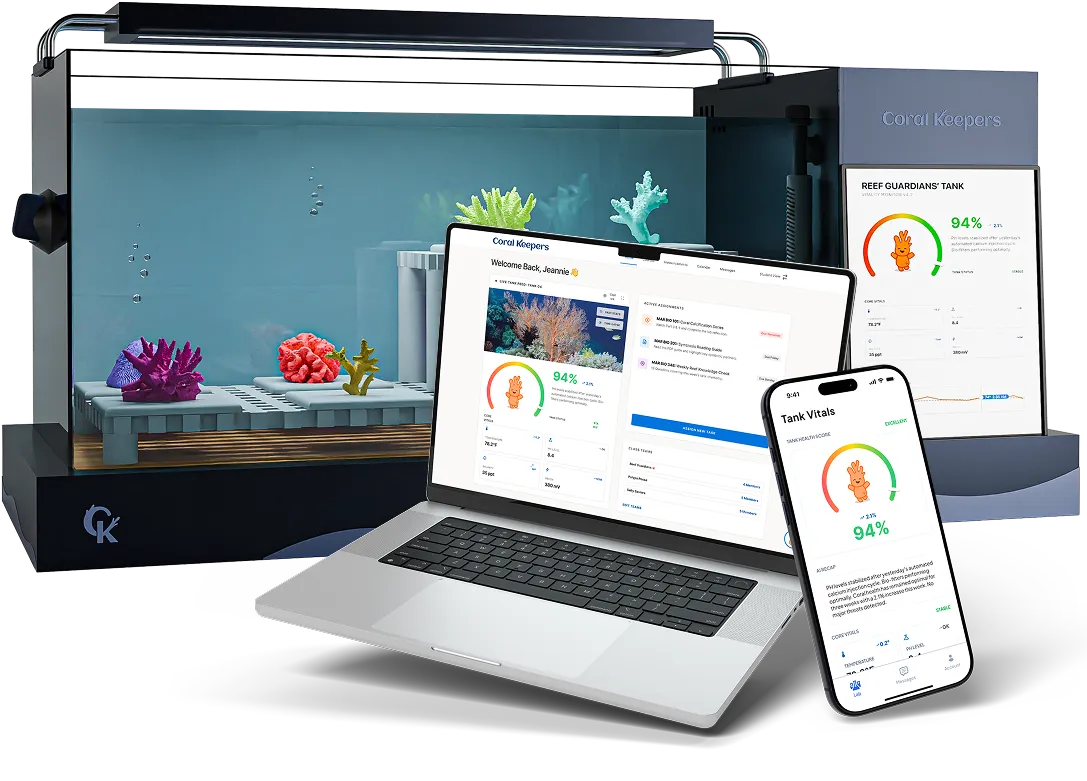
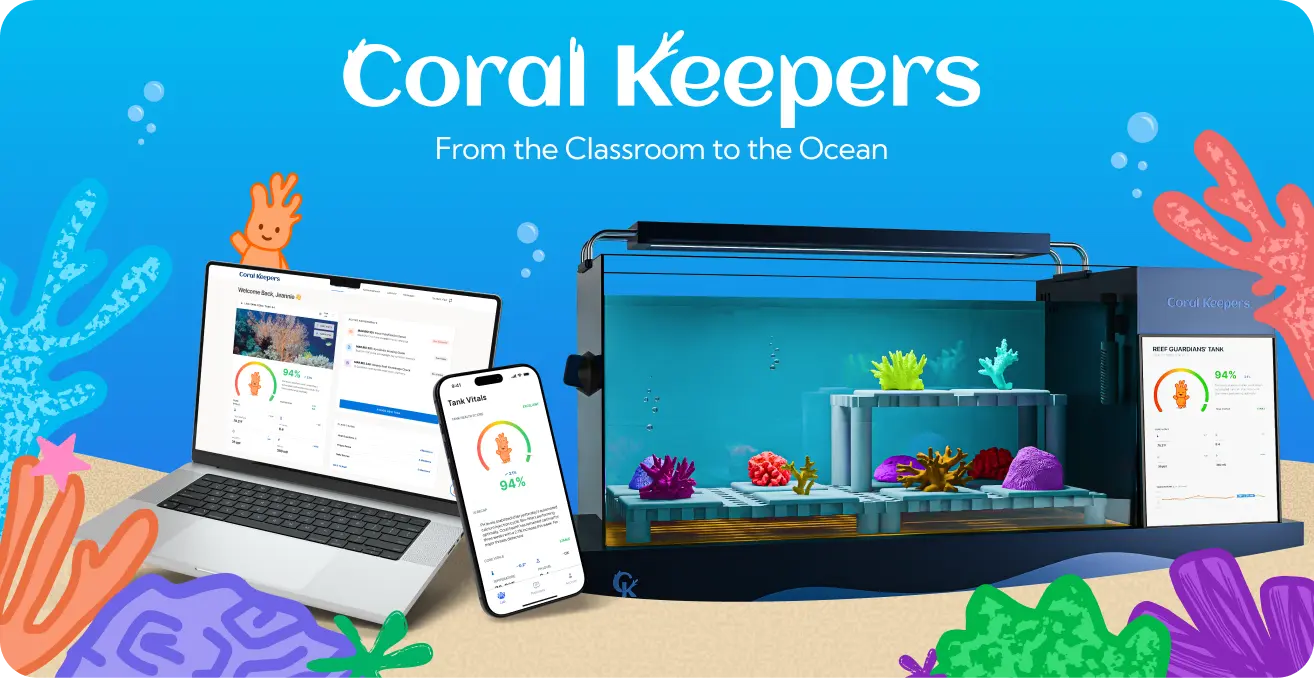
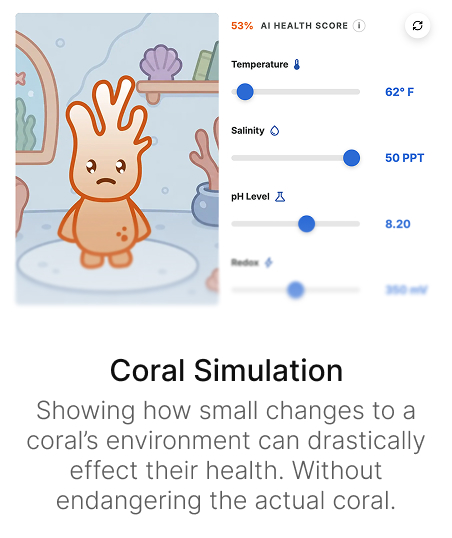
Introducing Coral Keepers, a classroom-ready coral growing system that combines a reef tank with real time information on its health with structured curriculum to bring coral restoration into schools. By partnering with coastal marine research organizations, the system gives students and educators the tools and knowledge to actively participate in rebuilding the world's reefs, building a new generation equipped and motivated to protect our oceans.
My Role
Led the Physical Product design process, while also working on primary / secondary research and design for the digital platform.
Timeline
20 weeks
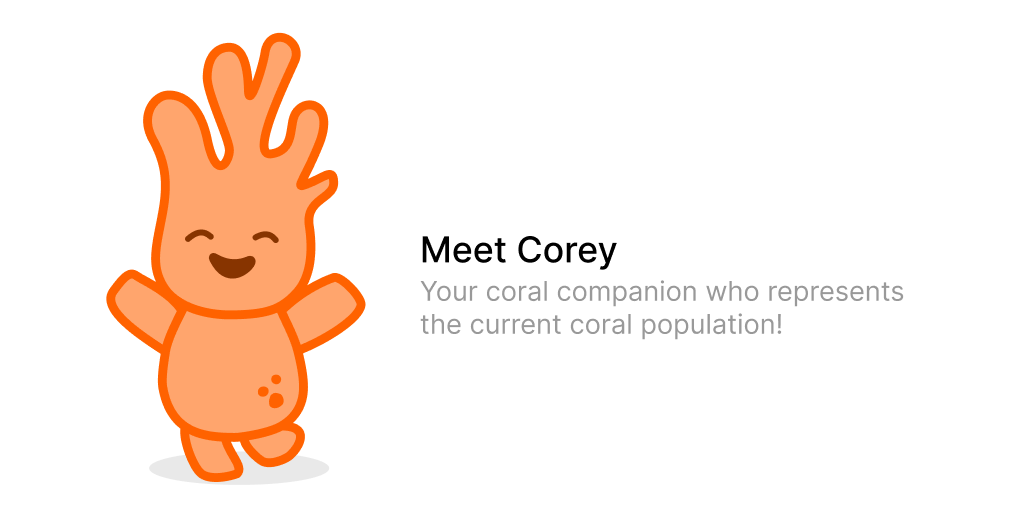
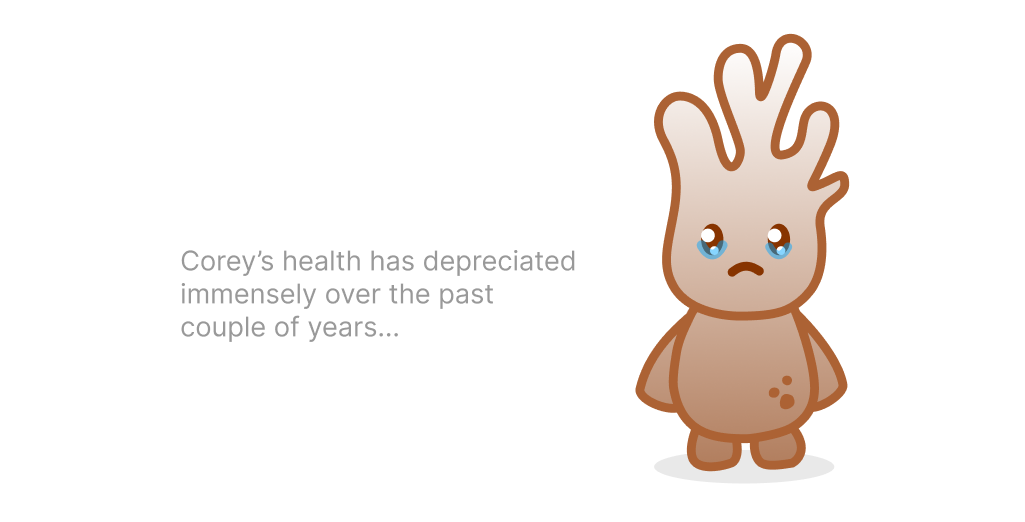
The corals are dying!
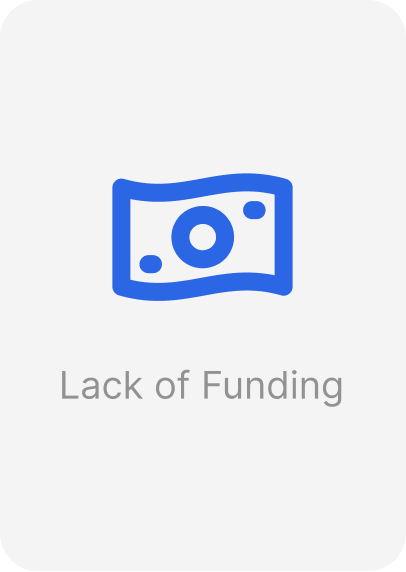
Current coral restoration efforts rely heavily on specialized scientists, limited funding, and localized nurseries, restricting the scale and speed of recovery.
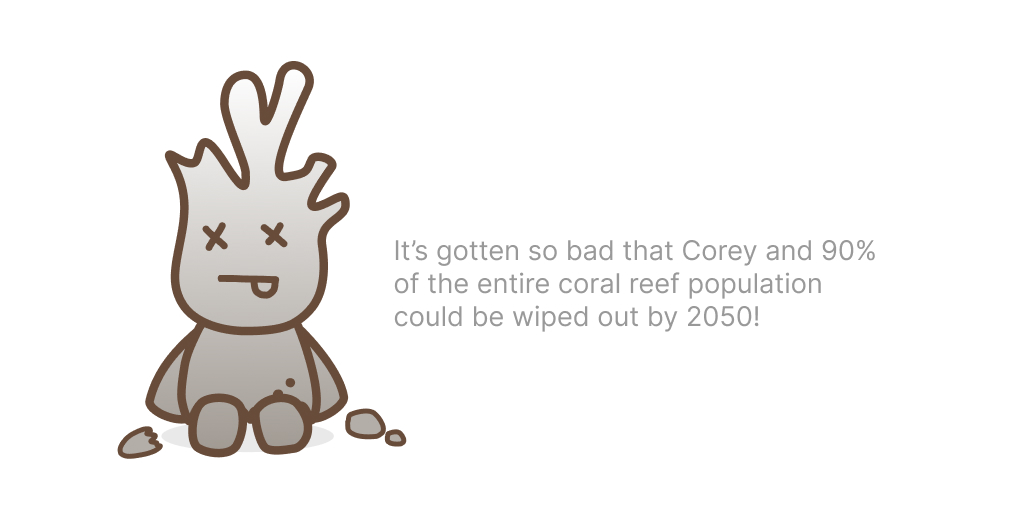
Where does our problem start?
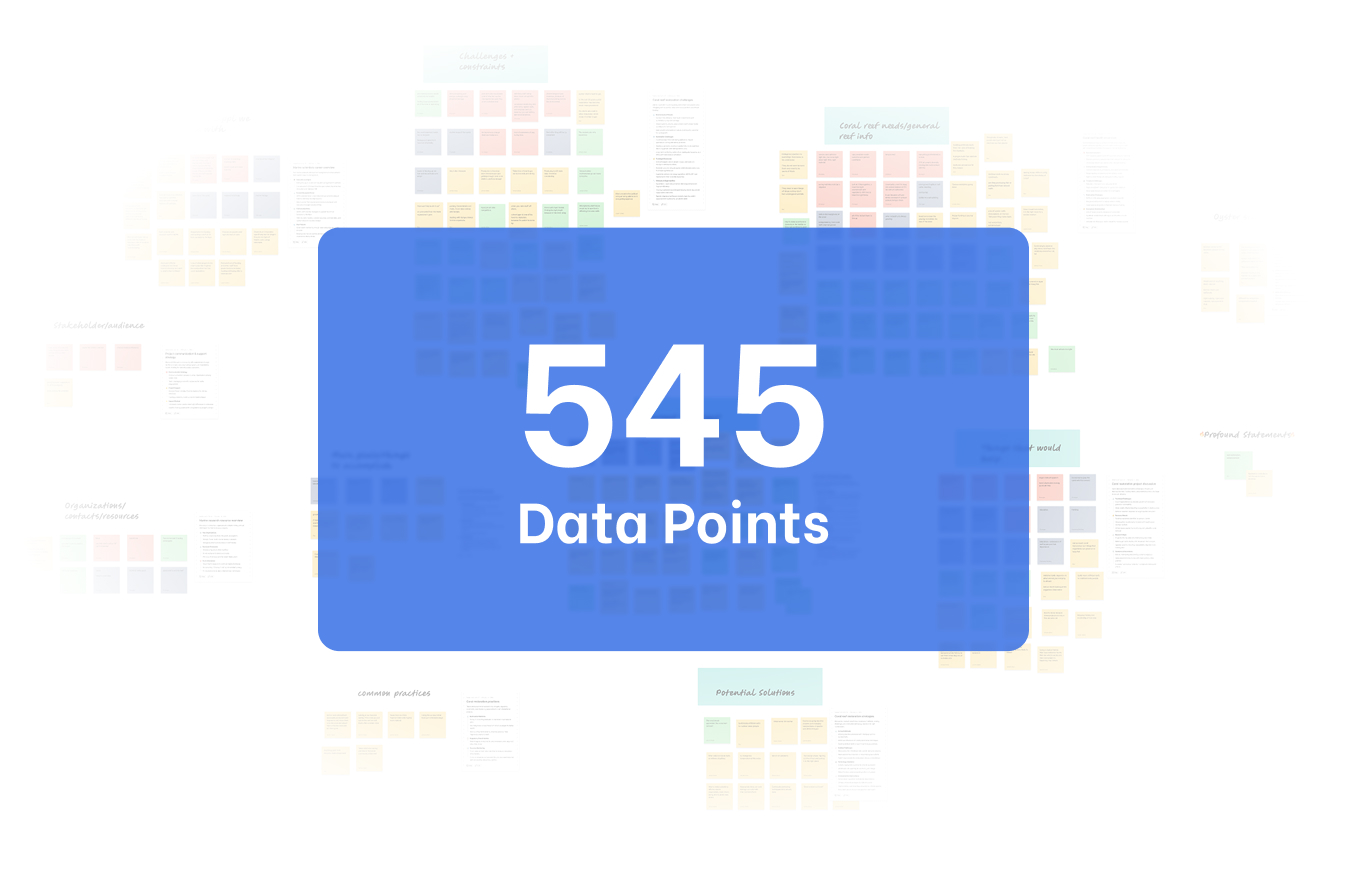
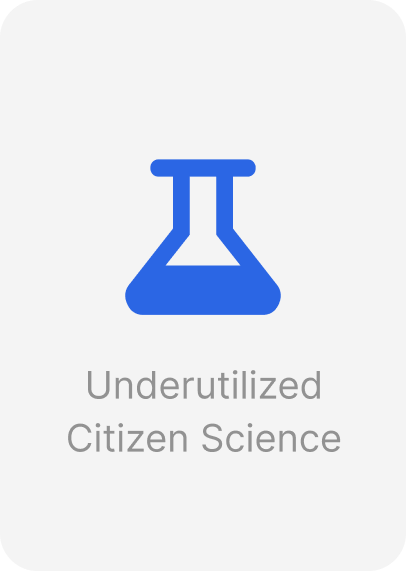
Ten weeks of primary and secondary research pointed to three main areas of concern.

Introducing Coral Keepers
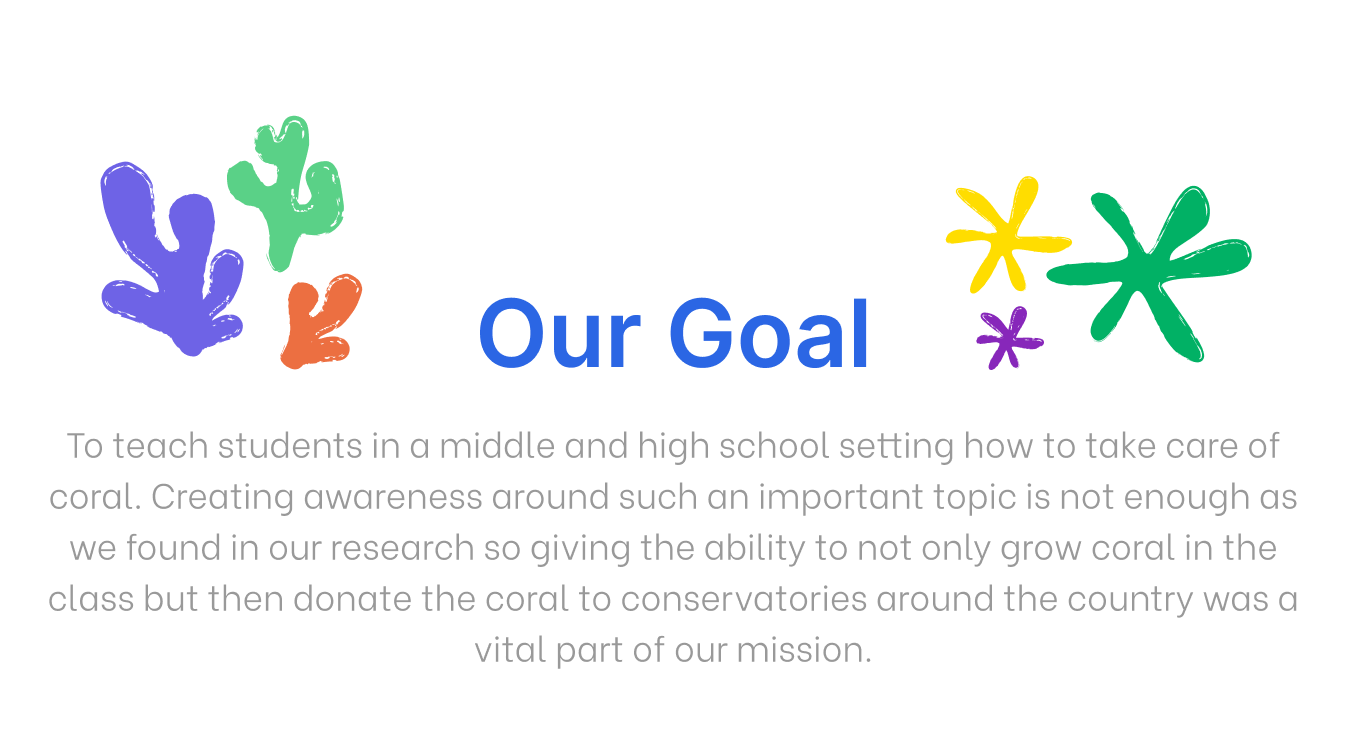
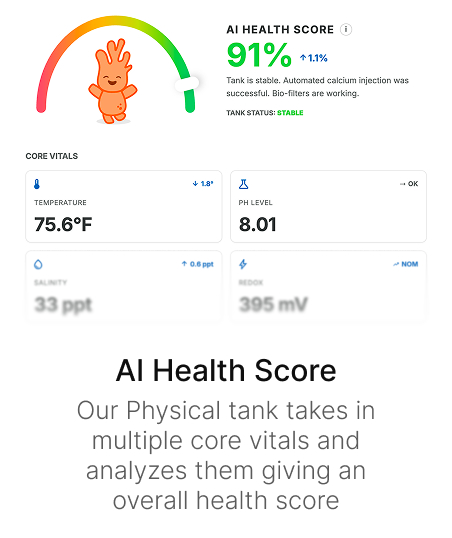
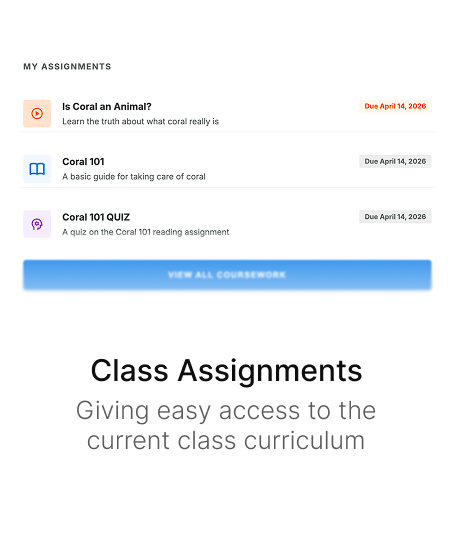
An LMS platform that gives educators the tools to teach coral restoration, and gives students the chance to actively participate in the process. Paired with a full scale classroom coral growing tank.
Physical Prototype
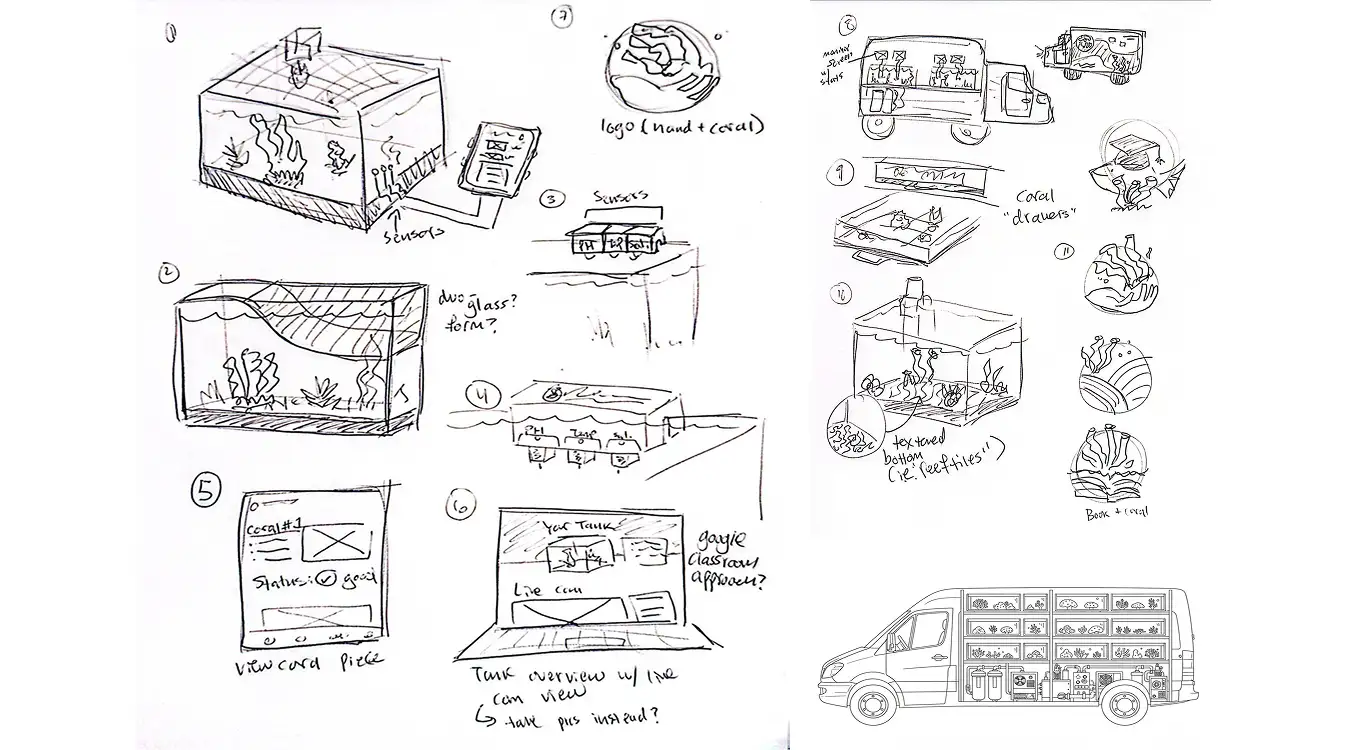
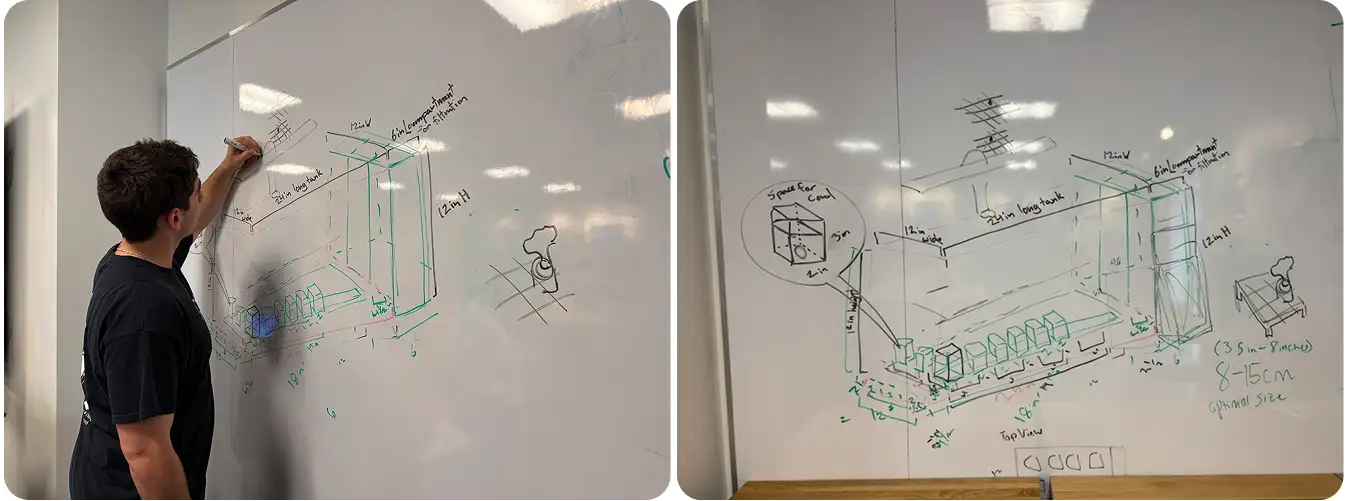
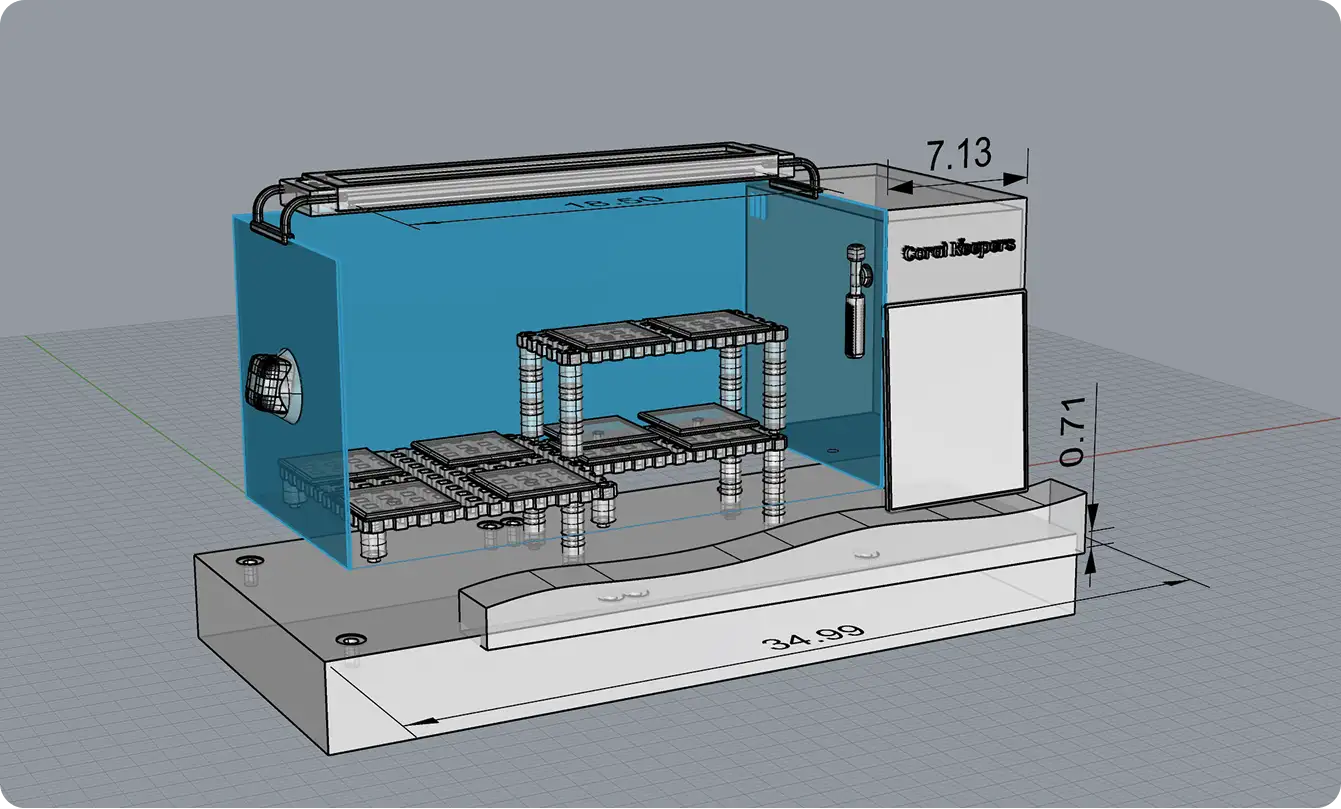
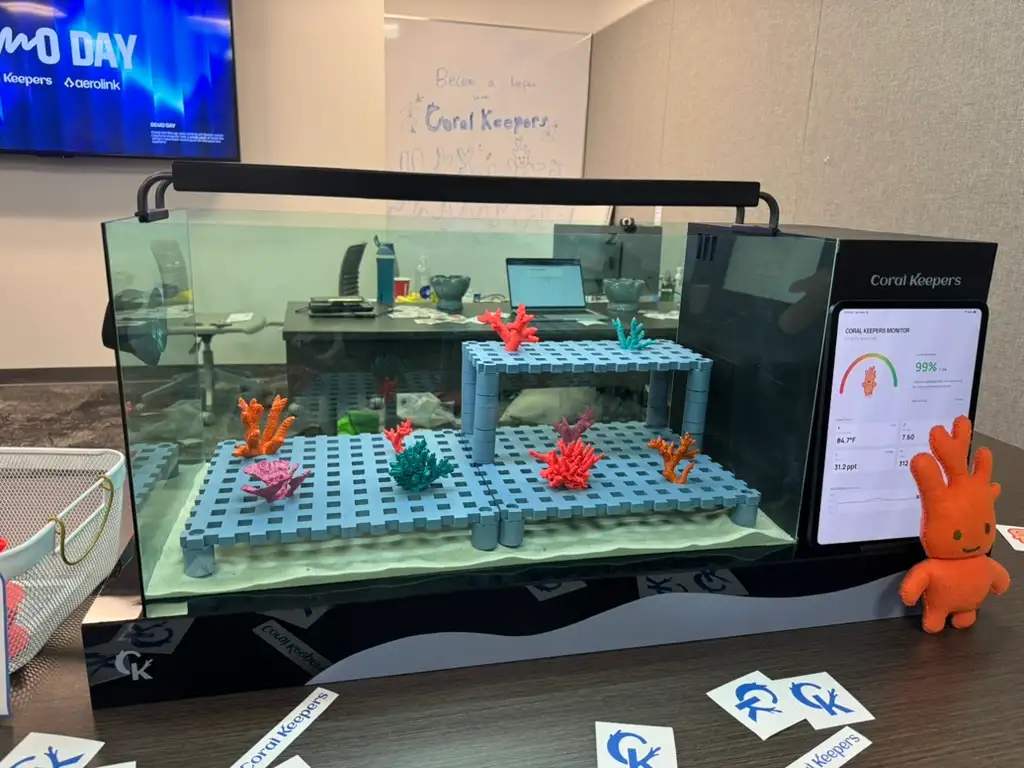
I led the physical product design phase of our solution, leading a team of 5 other students. Building a 3d model of the tank in Rhino and using those specs to laser cut the acrylic sheets and 3d print the parts.
Building the Tank
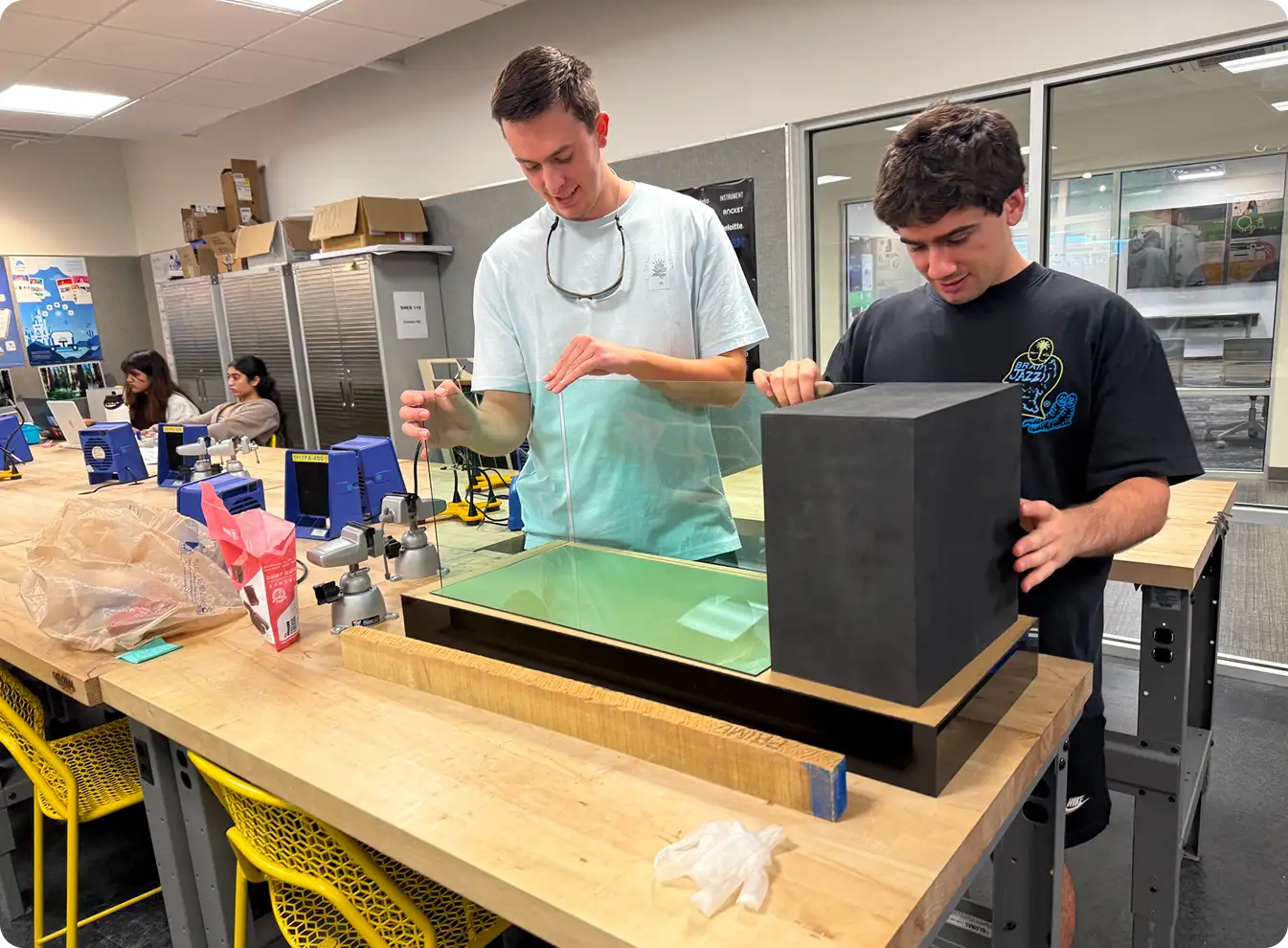
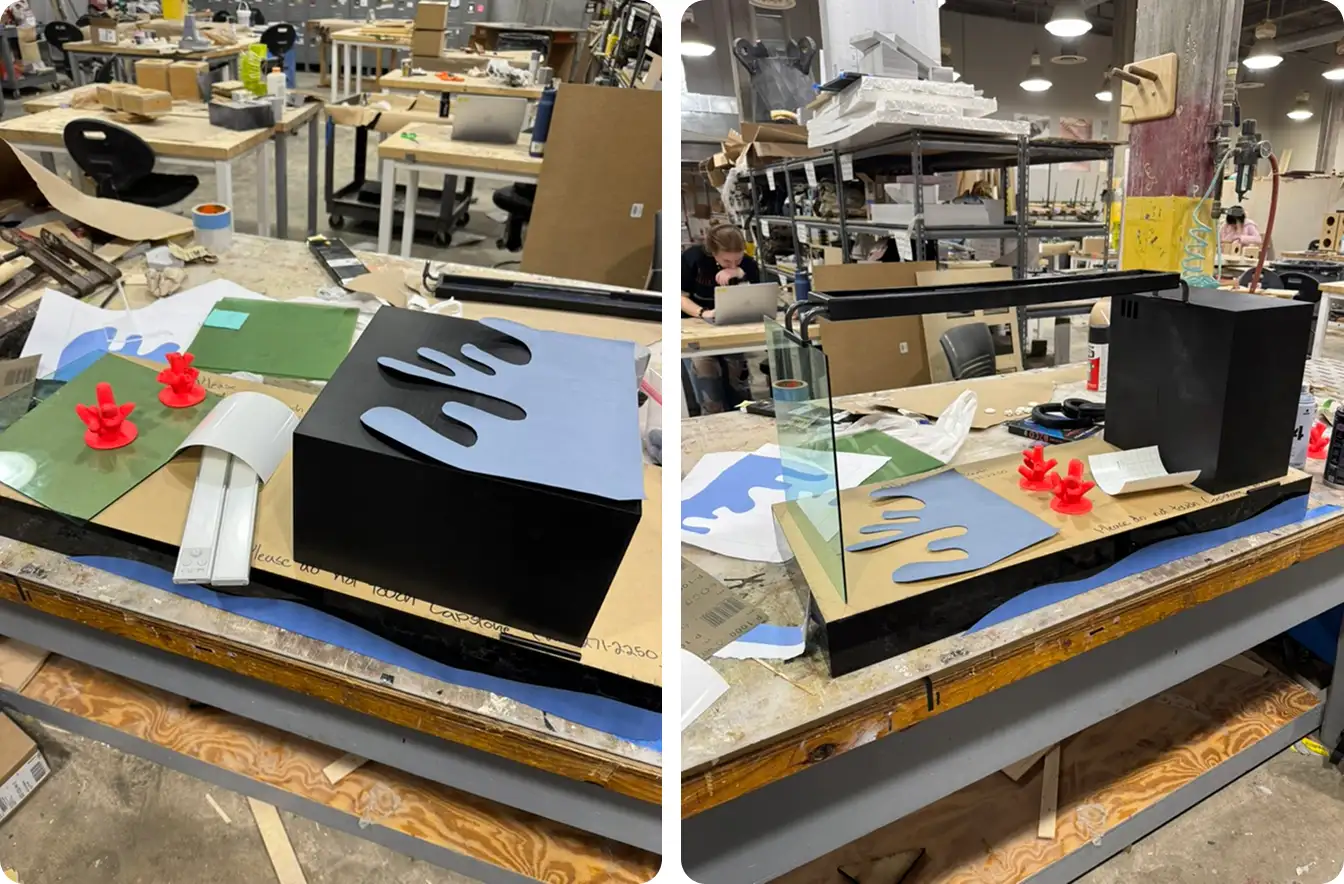
Now that all of the specs of the tank were finalized, I led the building phase of the project. Assembling the 3d printed parts and laser cut acrylic sheets into the final tank.
Final Product
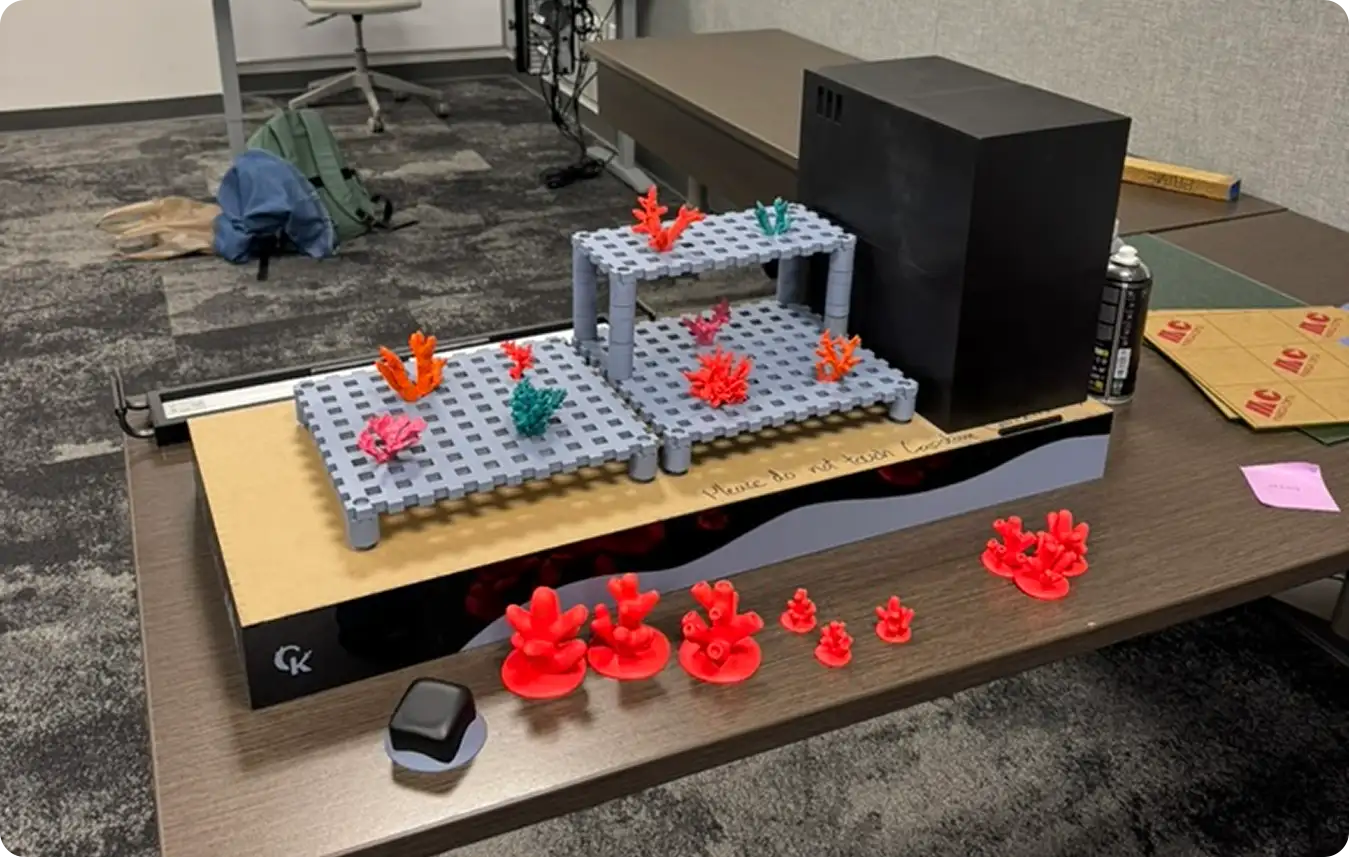
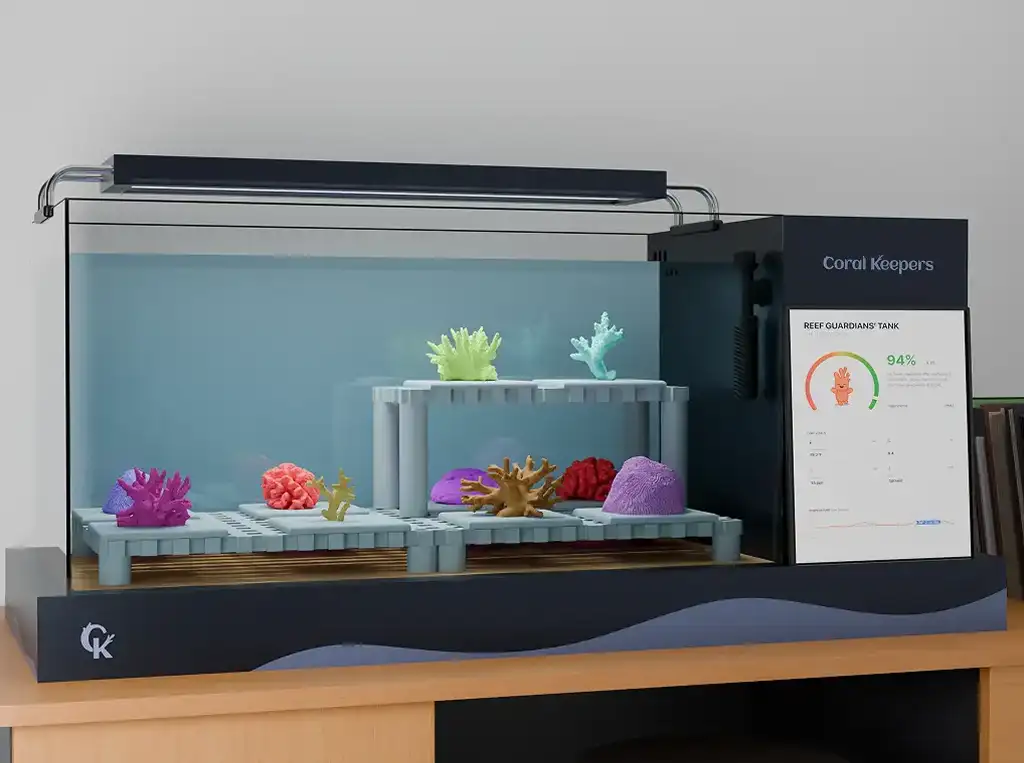
The final product includes a 2x2x1 ft coral growing tank, with a real time AI health Score from the sensors in the filtration system.
Digital Rendering of the tank.
Physical prototype of the tank.
The Impact
Turning classrooms into a network of small coral nurseries. Spread across enough schools, that adds up, potentially thousands of coral fragments donated to restoration partners every year. Educationally this isn't a just a one-day lesson on climate change. Students spend an entire school year keeping something alive, which changes the science from something they read about to something they're responsible for. For a lot of them, it could be the first real, hands-on brush with marine science, and maybe the thing that points them toward it as a career.
You can read the full case study here.
Explore the Coral Keepers Live Site
Jump into the student or teacherexperience and see how classrooms interact with real-time tank data, simulations, and reef restoration assignments.